The Art and Science of Machine Embroidery Stitches
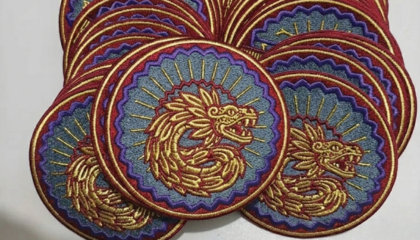
Machine embroidery is an incredible craft. It transforms simple fabric into personalized art using computerized technology. Unlike hand embroidery, this method is fast and efficient. It produces complex patterns with perfect uniformity. This technique is now a cornerstone in fashion and corporate branding. It allows for endless customization. The process starts with a digital design file. This file guides the machine’s needle through precise movements. Understanding stitch types is the first step toward professional results. The versatility of machine embroidery depends on a solid grasp of thread and fabric. This interaction creates the final texture and depth.
Deep Dive into Essential Embroidery Stitch Types
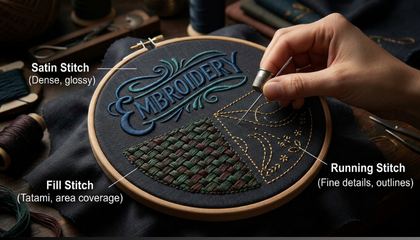
Three primary stitch types form the foundation of every design: satin, fill, and running stitches. The satin stitch is a dense, solid stitch. It creates a smooth and glossy finish. Designers prefer it for lettering and bold outlines. However, a high-quality satin stitch requires perfect tension. If the stitch is too wide, the threads might snag. If it is too narrow, the fabric often peeks through. The fill stitch, or Tatami stitch, covers larger areas. It uses a consistent woven pattern. Digitizers adjust the density and angle to create 3D effects. This gives the design a lifelike appearance. Lastly, the running stitch handles fine details. It acts as the final touch to define the shape. Mastering these building blocks separates a beginner from an expert.
Choosing the Right Materials: Threads and Stabilizers
Your embroidery results depend on the materials you use. The thread choice impacts the durability and shine of your work. Polyester thread is the most popular choice. It is incredibly strong and resistant to fading. It withstands frequent washing with bleach. This makes it ideal for uniforms and outdoor gear. Rayon thread offers a more luxurious, silk-like finish. However, it is slightly more delicate than polyester. The stabilizer is the “hidden hero” of embroidery. It prevents the fabric from shifting during high-speed stitching. Tear-away stabilizers work best on stable fabrics like denim. Cut-away stabilizers provide long-term support for stretchy t-shirts. For delicate lace, use water-soluble stabilizers. They dissolve completely after washing.
The Technician’s Guide to Solving Embroidery Problems
You will eventually face technical challenges like thread breakage or puckering. A bent needle or poor-quality thread often causes thread breaks. Sometimes, incorrect tension settings are the culprit. To fix this, replace the needle first. Then, check the thread path for obstructions. Skipped stitches are another common headache. These occur when the needle is dull or hooping is loose. Puckering makes the fabric look wrinkled around the design. This usually results from improper hooping or light stabilizers. Re-hoop the fabric until it is “drum-tight.” Ensure the stabilizer matches the fabric’s weight. Addressing these problems quickly improves your design. It also prevents long-term damage to your embroidery machine.
The Importance of Professional Digitizing and Quality Control
Many embroiderers blame their machines for poor results. In reality, 90% of issues stem from a poorly digitized file. A bad file lacks proper underlay and incorrect density settings. It ignores the “push and pull” physics of the fabric. Professional digitizing services are essential for any serious business. If you seek the best embroidery digitizing company in United State, find a partner that understands production. At Sassy Digitizing, Keith Blair oversees every design. He ensures each file is optimized for your specific machine. Professional digitizing ensures satin borders align perfectly with fills. It allows the machine to run at high speeds without breaks. A high-quality file saves you hours of frustration. It also protects your reputation for quality. At Sassy Digitizing, your first logo is digitized for free to prove our quality.
Conclusion: Achieving Embroidery Excellence
Machine embroidery blends technical skill with creative vision. To succeed, you must focus on the fine details. Choose the right polyester thread and master your satin stitch tension. Regular machine maintenance is also vital. Clean out the lint and oil the moving parts frequently. This ensures your equipment lasts for many years. Always test your designs on scrap fabric first. This helps you catch digitizing or tension errors early. Whether you are a hobbyist or a professional, continuous learning is key. Use the best possible resources for every project. Sassy Digitizing provides expert support and industry-leading quality. We offer flawless, machine-ready files for all your needs.
Frequently Asked Questions (FAQs)
1. What is the best thread for high-speed machine embroidery?
Polyester thread is the best for high-speed machines. It has high tensile strength and resists breakage. It is also bleach-resistant and perfect for workwear.
2. Why does my fabric pucker after I finish the embroidery?
Puckering happens when the fabric stretches too much during hooping. It also occurs without enough stabilizer support. When released, the fabric “shrinks” back and bunches up.
3. Do I really need to use a stabilizer for every project?
Yes, stabilizers are essential. Without them, the needle’s movement causes the fabric to shift. This leads to misaligned designs and poor stitch quality.
4. How often should I service my embroidery machine?
Clean the bobbin area daily for commercial use. A professional should service the machine every 6 to 12 months. This depends on your total production volume.
5. Can a bad digitizing file damage my embroidery machine?
Absolutely. Files with excessive density can cause needle breaks. This damages the needle plate and can knock the machine out of timing.
About the Author
Keith Blair | Senior Quality Control (HOD) Keith has over 12 years of experience managing large-scale embroidery production. He specializes in the mechanical relationship between thread, needle, and fabric. Now leading the QC team at Sassy Digitizing, Keith’s mission is to help embroiderers eliminate downtime by providing flawlessly digitized files.